A significant demand exists for the fat loss peptide category in the research community. The catalog features compounds pertinent to metabolic research, such as GLP-1 analogs and related peptides. Various peptide categories are represented in their catalog, catering to diverse research purposes, from metabolic studies to investigations into tissue repair. Although some budget suppliers offer satisfactory products, this category poses a greater risk of quality issues that necessitate thorough evaluation. Typically (the top peptide suppliers are found in this category), focusing on quality rather than competing solely on price.
Only the full-length parent protein (thymosin beta-4), has been studied in human phase I trials. For a review of reported adverse effects and what the published research covers, see KLOW side effects. The blend format compresses four distinct molecules (four separate literatures and four stability profiles into a single vial), and nothing about that packaging makes the underlying science any simpler.
Every published Protide result is searchable in the COA library and can also be viewed in the test results archive. The most recent Klow Blend Certificate of Analysis published by Protide Health from independent https://themotscpeptide.com/benefits/ third-party testing — covering lot PH-KO , illustrates what that looks like in practice. Enter your email and mobile number and tap Copy code to unlock it. All KLOW.BIO products are sold strictly for in-vitro and pre-clinical research use only and are not intended for human consumption and not for veterinary use.
HEEZ Research supplies it for in vitro laboratory research only; the certificate of analysis reports HPLC purity and identity for the blend. Every peptide is analysed by an independent laboratory and documented on a certificate of analysis for that batch. Laboratories that work with multi-peptide blends such as KLOW are often interested in experimental design questions rather than isolated compound behavior. KPV is a short tripeptide derived from a larger parent molecule. In laboratory literature, it is typically discussed in the context of in vitro signaling research, including studies on cellular migration pathways. It is a name used in scientific and laboratory supply contexts to describe a combination of four distinct synthetic peptides packaged together for research purposes.
The klow peptide dosage you draw depends on how much bacteriostatic water you add to the 80 mg vial. This Klow Dosage Chart shows the most common community titration for the standard 80 mg vial reconstituted with 3 mL of bacteriostatic water. Explore evidence-based timelines by category. Browse COA-verified suppliers with exclusive discount codes and transparent pricing. As a branded compound — batch-to-batch consistency and certificate of analysis (CoA) verification are particularly important.

Klow Stack: A Comparison of Cycling and Its Aspects
KLOW’s combination-level record is unusually easy to describe because the search terms are exact. Products are not intended for human consumption, therapeutic use, cosmetic use, veterinary use, or diagnostic applications. Every batch is independently HPLC tested and the Certificate of Analysis (covering all four components rather than a single combined figure), is published in our public COA library. Refrigerated and out of light, reconstituted with bacteriostatic water added down the vial wall and swirled rather than shaken. The bulk of the literature studies BPC-157 (TB-500), GHK-Cu and KPV individually. An 80mg vial with 5ml of bacteriostatic water gives 16mg per ml in total, and the blends tab of the dosage calculator splits that across the four components.
However, no formal safety data exists for this combination. It is sold as a ‘research chemical’ not intended for human consumption. Our peptide stack builder can help you think through combinations based on your goals.
Responsive customer service for product questions and COA requests indicates vendor commitment. By creating an account (customers can track orders), view purchase history, and possibly receive loyalty benefits. Researchers are aided in finding specific compounds by clear category structures and effective search features. Documentation specific to each batch allows for monitoring quality consistency across various purchases. As market demand grows, newer compounds like retatrutide and other emerging peptides may be added to vendor catalogs.
All four peptides have not been evaluated together in any published research, whether in human or animal studies.
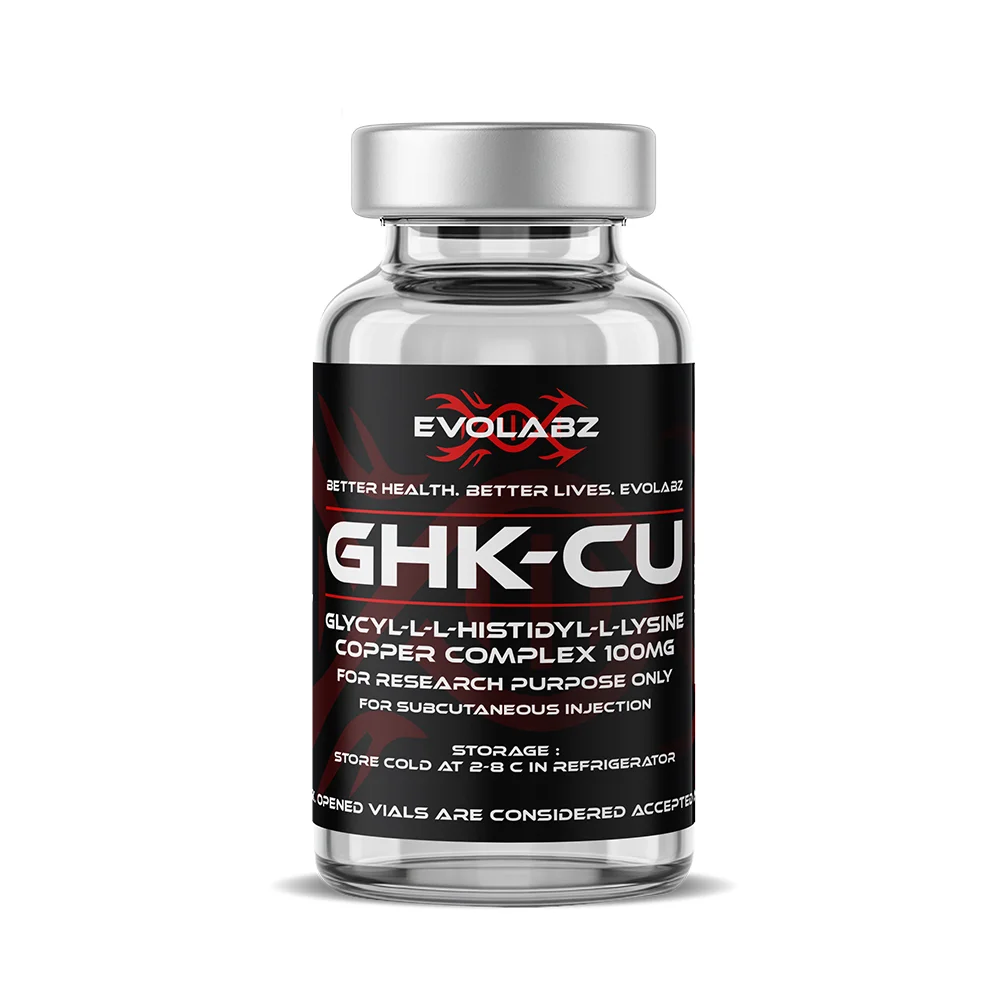
Insist on a batch-specific third-party certificate of analysis. KLOW is reconstituted with bacteriostatic water and administered subcutaneously in research settings, typically in cycles of several weeks. If you compete under WADA code, KLOW is not available to you. KPV’s colitis data is the most methodologically solid work behind any KLOW component (and BPC-157 has extensive rodent gastrointestinal literature), having originally been isolated from gastric juice. The trial most often quoted was industry-conducted and presented at a dermatology meeting rather than published as a full peer-reviewed paper. Research grade measures the published evidence.
Step six: add the costs outside the vial
A 80 mg blend reconstituted with bacteriostatic water yields about 26.7 mg/mL. The KLOW peptide blend is dosed at 250 mcg–750 mcg daily via subcutaneous injection in educational protocols. Orders placed before the daily cut-off ship the same business day when in stock, in plain, secure packaging with tracking. Each component of KLOW™ is independently identifiable and has been referenced in scientific research literature. References to its individual components or scientific literature are provided solely for compound identification (analytical context), and research documentation. Not intended for human consumption (diagnostic or therapeutic use), or administration to humans or animals.