Every broker works a little differently, so it’s crucial to do some research first to find a broker that suits your needs, including account minimums, assets offered, and more. Still not clear on the whole “what is a stock broker / what does a stockbroker do” thing? They only take orders from people or firms that have a membership to the exchange in question. As a retail investor, you’re not allowed to buy stock shares directly from an exchange.
Swing trading involves the buying and selling of stocks over brief periods, typically lasting from several days to a few weeks. A quick and efficient method exists for executing trades and engaging with the counterparties involved in transactions. While it is becoming increasingly rare, some brokers still make money by imposing a fee, commonly referred to as a commission, for every trade. Investors predominantly depend on brokers as intermediaries for trading a variety of assets. A broker, which can be an individual or a brokerage firm, connects investors looking to buy or sell securities, such as stocks or bonds, with the other party involved.
Whether you want to sell your house or purchase a new one, a broker will assist you in the process. In the sale, one broker advocates for you while another represents the opposing party. Knowledge of finance and financial markets is assessed by this exam for aspiring stockbrokers.
How to Choose a Trustworthy Broker – Step by Step
Understanding which streams a broker relies on tells you where its incentives lie — a theme explored in what is wacc in finance depth in the companion lesson on payment for order flow. When commissions disappear, the cost usually moves to a less visible place. This is the part many investors never examine, yet it shapes everything from the price you get to the conflicts a broker may face. The single most protective decision a new investor can make is to stick to a cash account until they thoroughly understand what borrowing to invest really entails. Margin is a genuine tool for experienced investors who understand leverage, but it converts the ordinary risk of investing into something that can wipe out an account quickly. Worse, if your investments fall far enough, the broker can issue a margin call, demanding you add cash immediately — and if you cannot, it can sell your holdings, potentially at the worst possible moment, to repay the loan.
A real estate broker, having successfully completed the broker’s license examination, can establish their brokerage firm and employ agents. Utilizing a broker’s expertise can greatly improve your experience, whether you’re investing, purchasing property, or looking into insurance options. In conclusion, grasping the role of a broker is crucial for effectively maneuvering through various financial transactions. They guarantee that brokers operate ethically, offer equitable pricing, and inform their clients of all pertinent information. A system of checks and balances is established collectively by FINRA and the SEC. The SEC, as a federal agency, possesses the power to initiate civil enforcement actions against entities or individuals who breach securities regulations.

An investment broker is defined as what?
“After completing the required education, both pre-license and on-the-job training, individuals seeking to become licensed mortgage brokers must pass the Nationwide Mortgage Licensing System (NMLS) exam.” In fact, most states require real estate brokers to have a few years of experience as licensed real estate agents before they can pass their real estate broker licensing exam. A stockbroker licensed as a financial adviser often charges fees for helping clients decide which stocks to trade. For example, if a real estate broker sells a house valued at $200,000, they may take a 5% to 6% commission on that sale equaling $10,000 to $12,000. Sometimes confused with real estate agents, real estate brokers are agents who have had experience in real estate and have passed a broker licensing exam.
STP (Straight Through Processing) Brokers:
Generally, you only pay capital gains taxes when you’ve earned income on your investments. This is why brokerage accounts are also sometimes called “taxable accounts.” However, investment income within a brokerage account — for example, the profits from selling your investments — is subject to capital gains taxes. If you need some more pointers, check out our guide on how to start investing. Beginner investors often invest in index funds or ETFs, which bundle many different investments into one and often track a stock market index. You’ll pay interest for margin trading, though, and it’s risky.
Unlike forex brokerage firms, stock brokers work fixed hours. Stocks are traded on stock markets, which are like supermarkets, where companies list their stocks, and brokers help people buy and sell them using online platforms. Other advantages of discount brokers that attract many people, especially beginners, include minimum deposits, free learning tools, and more. One needs a broker to trade оn the market or invest in stocks because individuals cannot access a securities exchange without an intermediary. However, stockbrokers and traders have strict requirements and regulations they must follow from the Financial Industry Regulatory Authority (FINRA) and the U.S. Bureau of Labor Statistics (BLS), stockbrokers and securities traders are considered “Securities, Commodities, and Financial Services Sales Agents,” with average annual salaries of $109,710.
However, just as there are different brokerage account ownership types, with Schwab there are also different features you can add to your account. Once your brokerage account is open, you can use the money you’ve deposited to start buying investments. When you open a brokerage account with Schwab, you get to decide how to manage your investments. Many investors open a brokerage account to start saving for retirement. Opening a brokerage account is one of the first steps to building your personal investment portfolio. You can use your brokerage account to gain access to stocks and other types of investments.
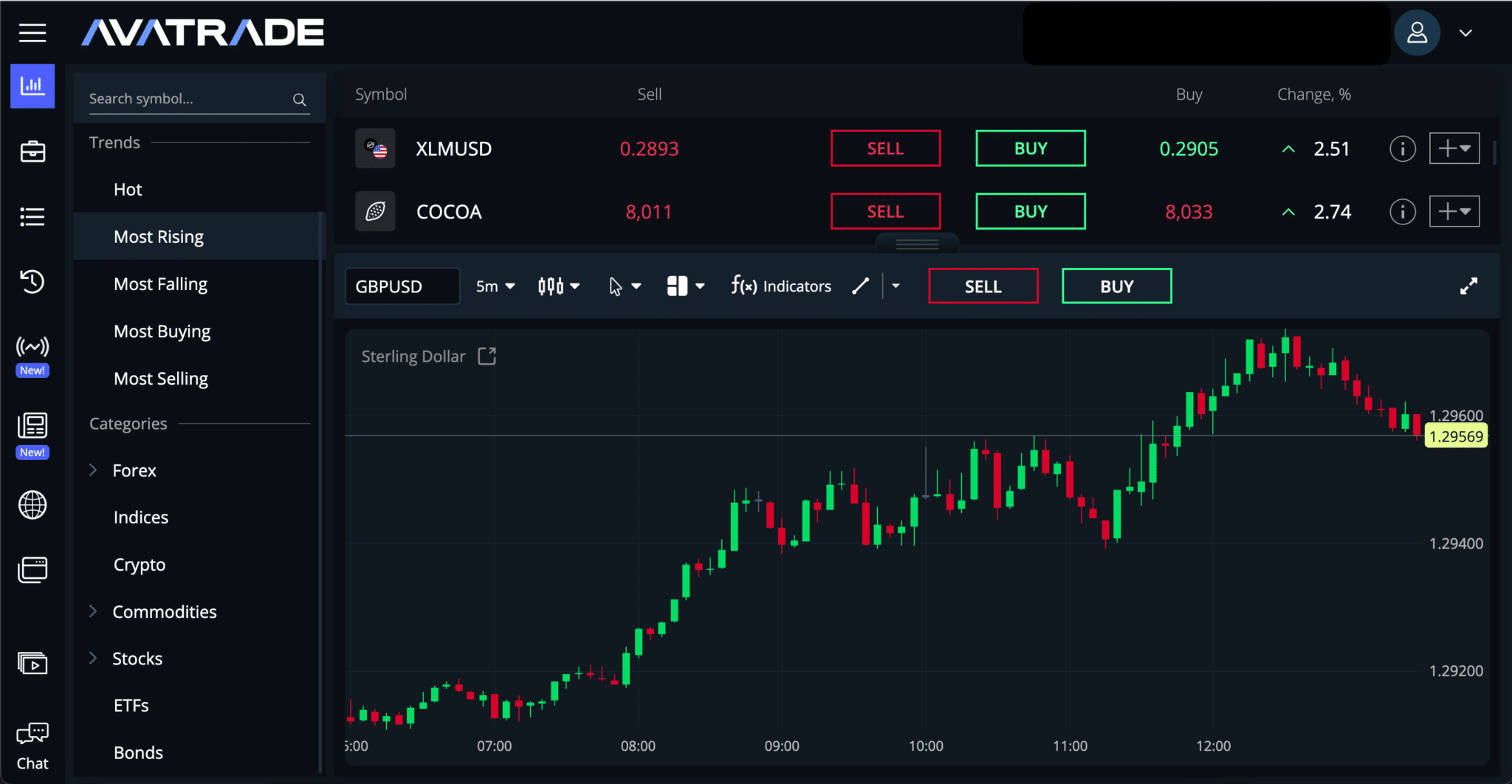
They can be suitable for seasoned investors who are looking to save on costs. Back when stock exchanges were a physical venue, brokerage firms represented their clients on the exchange floor. Brokerage in the stock market is the fee or commission that a broker or brokerage firm charges to make a trade for an investor. But if you don’t need access to all the bells and whistles of its immense offering, you’ll likely find yourself overwhelmed. When you’re ready to toggle on the real trading interface, you’ll find a platform that’s jam-packed with features (in both good and bad ways).
As a result, trading costs plummeted from several hundred dollars to mere pennies, or even to an apparent zero through payment for order flow. The legal protections surrounding record-keeping and their quality are just as significant as the trading costs incurred. However, recognizing that this is occurring allows you to better assess your expenses and identify potential pitfalls.